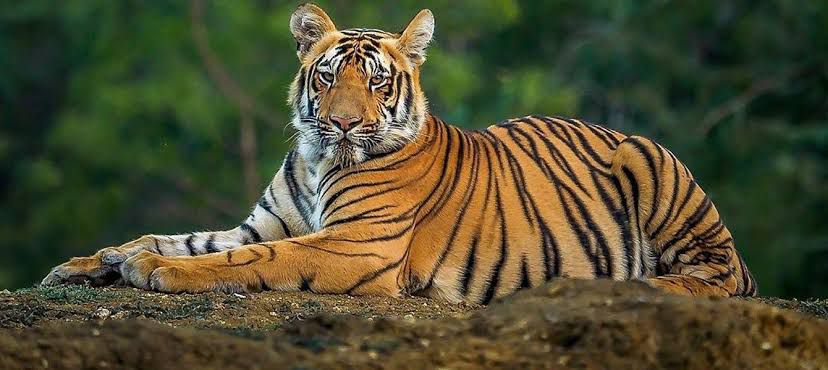
Dudhwa National Park, located in the Terai region of northern India, is home to one of the most magnificent and elusive creatures on Earth – the Royal Bengal Tiger (Panthera tigris tigris). Known for its rich biodiversity and lush landscape, Dudhwa provides an ideal habitat for these majestic cats, making it one of the best places to spot tigers in the wild.
A Sanctuary for Tigers
Dudhwa National Park, covering an area of around 1,284 square kilometers, includes dense forests, tall grasslands, and wetlands, offering a variety of habitats for tigers to thrive. The park’s seclusion and lack of human activity have helped it become a critical sanctuary for the Royal Bengal Tiger, a species that has been severely threatened by habitat loss and poaching in other parts of India.
Tiger Population and Conservation
While the tiger population in Dudhwa is relatively small compared to some other tiger reserves, it plays a crucial role in India’s tiger conservation efforts. The park, along with its neighboring areas like Katerniaghat Wildlife Sanctuary, is part of the Terai Arc Landscape, which is one of the most important tiger habitats in the world. Conservation programs have been in place for years, with dedicated anti-poaching patrols, camera traps, and regular monitoring to ensure the tigers remain protected.
Dudhwa’s tiger population is part of the Project Tiger initiative, which aims to safeguard tigers and their habitats through government-supported efforts. As a result, the number of tigers in the region has gradually increased, though tigers remain elusive and sightings are still rare, adding to the mystery and allure of these apex predators.
Tiger Sightings
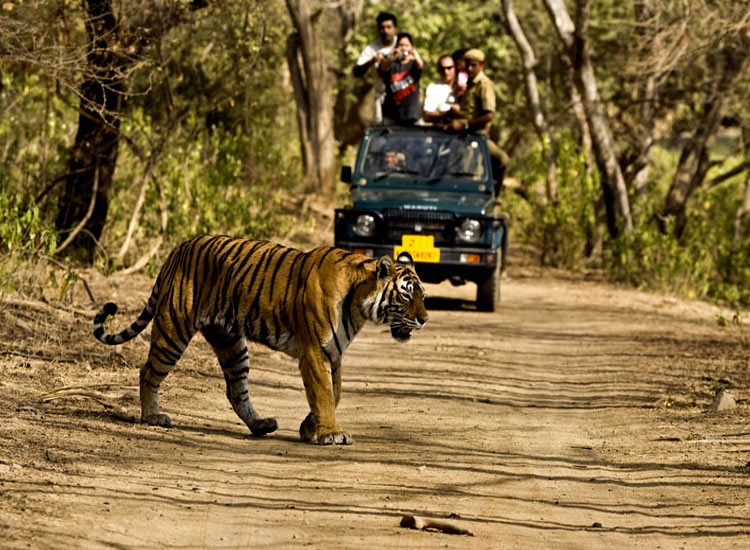
Despite being difficult to spot due to their elusive nature, tigers can occasionally be seen in Dudhwa’s dense forests and grasslands. The best chance to see one is during early morning safaris or late evening drives when tigers are most active. These magnificent creatures are often found in the core zones of the park, where they hunt for prey such as sambar deer, chital (spotted deer), and wild boar.
Tiger tracks, scat, and signs of their presence, like scratches on trees or marks on the ground, are often visible along the trails in the park. Though sightings can be rare, the thrill of tracking a tiger through Dudhwa’s diverse landscapes is an experience that captivates wildlife enthusiasts and photographers alike.
The Role of Tigers in the Ecosystem
Tigers play a vital role in maintaining the health of the ecosystem. As apex predators, they help regulate prey populations, ensuring a balanced ecosystem. By hunting primarily large herbivores, tigers prevent overgrazing, which allows plant life to thrive, maintaining biodiversity within the park. This ecological balance benefits other species, from smaller carnivores to the dense forests that cover the park.
Conservation Challenges
Despite the park’s success in tiger conservation, challenges remain. Poaching, illegal logging, and encroachment continue to threaten tigers and their habitats. In addition, human-wildlife conflict, especially in neighboring villages, remains a significant issue. The forest corridors between Dudhwa and Nepal’s Bardiya National Park are particularly important for tiger movement, but maintaining these corridors free from human interference is critical to sustaining tiger populations in the long term.
The Future of Tigers in Dudhwa
The future of tigers in Dudhwa National Park depends on ongoing conservation efforts. The park is an essential part of India’s broader effort to protect and expand tiger habitats across the country. With continued monitoring, anti-poaching initiatives, and habitat restoration, Dudhwa National Park will remain a sanctuary for tigers for generations to come.
For wildlife enthusiasts and photographers, a visit to Dudhwa offers a rare opportunity to witness the beauty and strength of the Royal Bengal Tiger in its natural habitat, making it an unforgettable experience for anyone lucky enough to spot one of these elusive and awe-inspiring creatures.
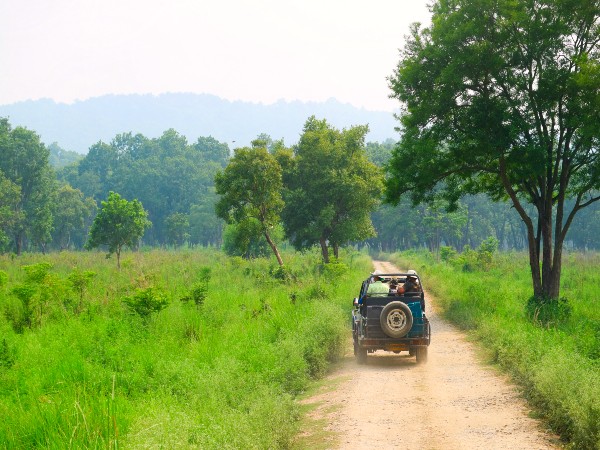
 Dudhwa Forest View Resort
Leave a comment