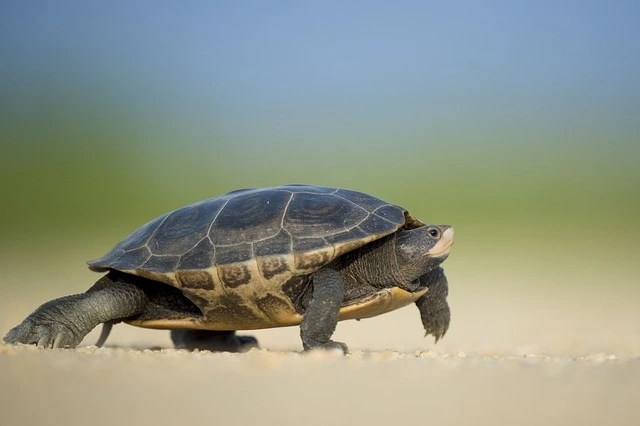
Rested in the vast landscape of Dudhwa National Park, alongside the majestic one-horned rhinos and elusive tigers, resides another vital but often overlooked species – the turtle. With its serene nature and important role in the ecosystem, the turtle is an unsung hero of Dudhwa’s rich biodiversity. The park, with its expansive wetlands, rivers, and ponds, provides the perfect habitat for various turtle species, making it a sanctuary for these fascinating creatures.
The Importance of Turtles in Dudhwa
Turtles, with their slow and steady demeanor, are integral to maintaining the ecological balance of Dudhwa National Park. They act as “guardians of the wetlands”, helping to regulate the health of aquatic ecosystems. Whether they are basking in the sun on a riverbank or swimming in the park’s serene waters, turtles contribute to nutrient cycling, ensuring the sustainability of plant life and keeping water bodies healthy.
1. Water Purifiers
Turtles play an essential role in maintaining the cleanliness of the park’s water systems. As omnivores, they feed on a variety of aquatic plants, algae, insects, and even small fish. By feeding on algae and decomposing organic matter, they help prevent overgrowth, maintaining the delicate balance of aquatic life. This helps keep the water bodies clear, benefiting other species that rely on clean, healthy water.
2. Indicator Species
Turtles are also considered indicator species, which means their health reflects the condition of the environment around them. If turtle populations in Dudhwa are thriving, it’s a clear sign that the ecosystem is in good shape. Conversely, if turtle numbers begin to decline, it serves as a warning that something might be wrong with the environment, prompting conservationists to investigate and take action.
3. Supporting Biodiversity
The turtles of Dudhwa National Park help support the biodiversity of the entire ecosystem. They are part of a larger food web, providing sustenance for a variety of predators such as birds of prey, large carnivores, and scavengers. In return, their nesting sites offer safe spaces for the next generation of turtles, ensuring the survival of the species.
Turtle Species Found in Dudhwa
Dudhwa National Park is home to a diverse array of turtle species, many of which are native to the Indian subcontinent. These include:
1. Indian Star Tortoise
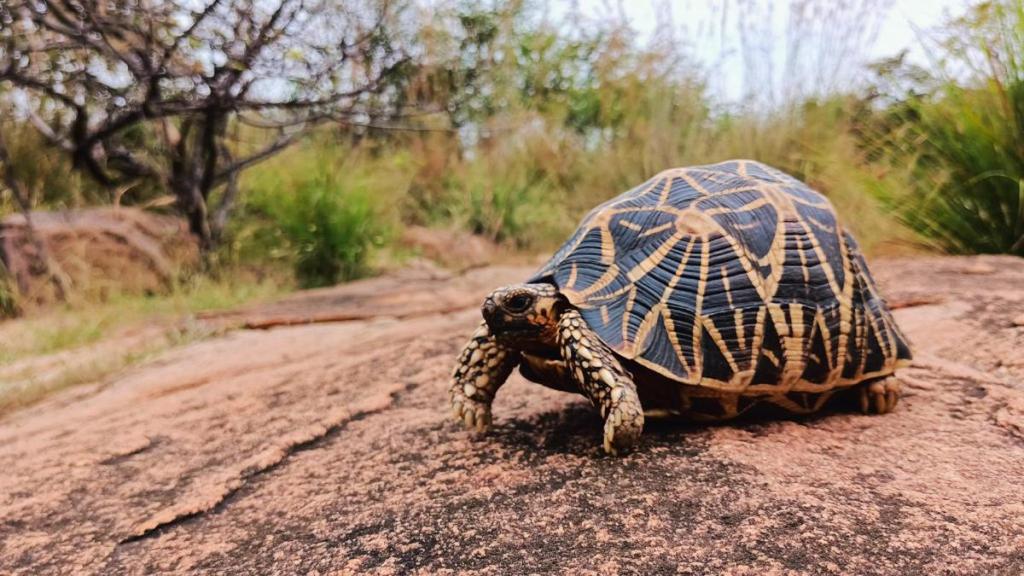
One of the most iconic species in the park, the Indian Star Tortoise is named for the distinctive star-like patterns on its shell. This species is primarily terrestrial, and while it spends some time near water, it thrives in the dry, open areas of Dudhwa. Conservation efforts have been put in place to protect this slow-moving tortoise from poaching, as it’s often sought after in the illegal pet trade.
2. Soft-Shelled Turtles

Another species found in Dudhwa’s aquatic habitats is the Indian Soft-Shelled Turtle. Known for its soft, leathery shell and fast swimming abilities, this species can often be seen basking on riverbanks or gliding through the waters. They are vital to the health of Dudhwa’s river ecosystems and are often found in the park’s wetlands.
3. Red-Crowned Roofed Turtle

Native to the rivers of India and Southeast Asia, the Red-Crowned Roofed Turtle is a freshwater species that thrives in Dudhwa’s rivers and ponds. With a hard, dome-shaped shell and a unique red marking on its head, this turtle adds to the diversity of the park’s reptilian population.
Sighting Turtles in Dudhwa National Park
In Dudhwa National Park, turtles are primarily spotted in the park’s wetlands, rivers, and water bodies. These areas provide ideal habitats for various species of turtles. Here are some specific locations within the park where turtles can be found:
1. Katerniaghat Wildlife Sanctuary
- Located adjacent to Dudhwa National Park, the Katerniaghat Wildlife Sanctuary is home to several turtle species. The sanctuary is known for its riverine and wetland habitats, which are perfect for turtles such as the Indian Soft-Shelled Turtle and the Red-Crowned Roofed Turtle.
2. The Sharda River
- The Sharda River, flowing through the park, is one of the primary water bodies where turtles are spotted. The Indian Soft-Shelled Turtles and other freshwater species are commonly found basking on the riverbanks or swimming in its calm waters.
3. Wetlands and Ponds
- Dudhwa’s wetlands and numerous ponds are ideal environments for turtles. The Indian Star Tortoise, though more terrestrial, can also be found in these wetland areas, where it forages for food. The soft-shelled turtles and other aquatic species thrive in the water-filled habitats scattered throughout the park.
4. Swamps and Marshes
- Dudhwa’s marshes and swamps, often located near the border with Nepal, provide safe nesting grounds and food sources for various turtle species. These areas are often less disturbed by human activity and provide a quiet, protected environment for turtles to thrive.
5. Riverside Basking Spots
- Along the banks of rivers and smaller streams within the park, you can spot turtles basking in the sun. Soft-shelled turtles are particularly common in these areas, where they rest on rocks or muddy banks to regulate their body temperature.
Turtles are mostly seen in protected, less trafficked areas within Dudhwa, where they can go about their daily activities without disturbances. Conservation efforts continue to ensure the protection of these delicate habitats, allowing the turtle populations to flourish in the park.
Threats to Turtles in Dudhwa
Like many species, turtles in Dudhwa face numerous threats that jeopardize their survival. Habitat loss, pollution, and illegal poaching are major concerns. The construction of dams, urbanization, and encroachment on wetlands disrupt the delicate habitats that turtles depend on. Additionally, the illegal pet trade continues to deplete wild turtle populations, affecting species like the Indian Star Tortoise.
Climate change is also an emerging threat, with changing temperatures potentially affecting turtle nesting sites and the sex ratio of hatchlings. Warmer temperatures can skew the population towards one gender, potentially leading to imbalanced breeding.
Conservation Efforts
Fortunately, efforts to protect the turtles of Dudhwa National Park have been gaining momentum. Local and national wildlife agencies, including the Wildlife Protection Society of India, are working tirelessly to monitor turtle populations and safeguard their habitats.
1. Protecting Nesting Sites
Conservationists are working to identify and protect key turtle nesting sites within the park. By limiting human activity and protecting these areas from poaching, they are giving hatchlings a better chance to survive and thrive.
2. Restoration of Wetlands
Efforts are also being made to restore and protect the wetlands in and around Dudhwa National Park. By preventing encroachment, reducing water pollution, and preserving aquatic vegetation, conservationists are ensuring that turtles and other aquatic species can continue to flourish.
3. Awareness and Community Involvement
Raising awareness about the importance of turtles and their role in the ecosystem is vital for their protection. Through educational programs and outreach initiatives, local communities are becoming more involved in conservation efforts, helping to create a sustainable future for turtles in Dudhwa.
 Dudhwa Forest View Resort
Leave a comment