Kishanpur Wildlife Sanctuary is located in the northern part of India, in the state of Uttar Pradesh. It forms part of the Dudhwa Tiger Reserve, situated near the Nepal border, and covers an area of around 227 square kilometers. The sanctuary is renowned for its rich biodiversity, including a variety of flora and fauna, and is a critical habitat for endangered species.
Key Features of Kishanpur Wildlife Sanctuary:
Flora: The sanctuary is mainly covered by dense forests, grasslands, and wetlands. The flora includes a mix of tropical moist deciduous trees, such as sal, teak, and various shrubs and grass species.
Sal(Shorea robusta):
Sal trees are large, deciduous trees that can grow up to 50 meters tall. The leaves of the Sal tree are broad and shiny, and the tree has a strong, aromatic resin.
Sal is a dominant species in the moist deciduous forests of Dudhwa, providing crucial cover for many animals. The tree produces edible fruits that are consumed by various wildlife species, including elephants and certain herbivores. The hardwood of the Sal tree is highly valued for its strength and durability.
Though Teak is not as dominant in Dudhwa as Sal, it is still an important species in the forests. The wood of the Teak tree provides shelter for a range of forest species, and its leaves are a food source for some herbivores.
Teak is typically found in drier areas compared to Sal and is often found in mixed forests or plantations, especially in areas that experience less waterlogging
Fauna: Kishanpur is home to several species of animals, including:
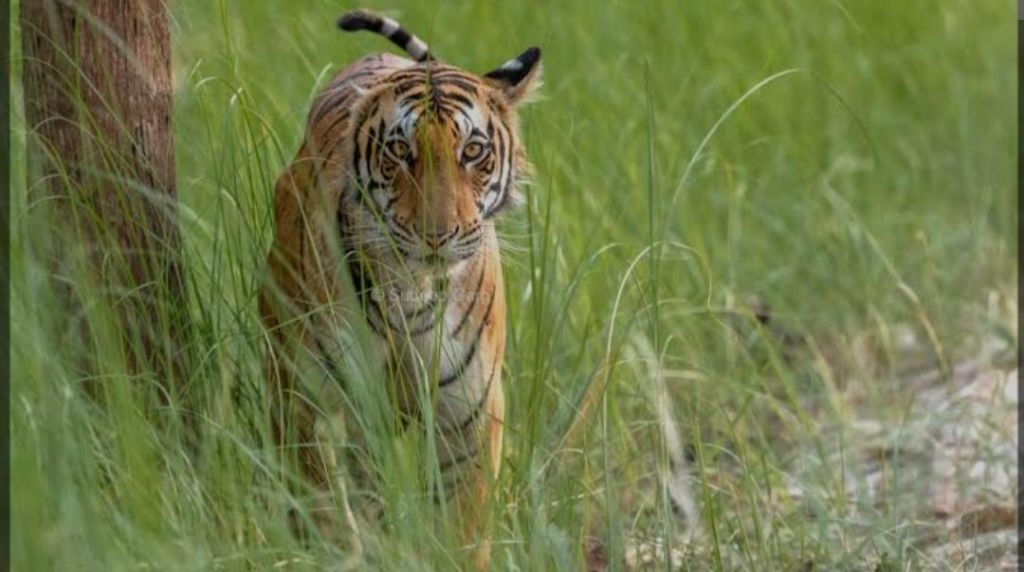
Bengal Tiger: A significant part of the Dudhwa Tiger Reserve, it is a key predator in the sanctuary. The Royal Bengal Tiger (Panthera tigris tigris) is one of the most iconic and important species found in the Dudhwa Tiger Reserve, which includes the Kishanpur Wildlife Sanctuary. This large and powerful cat is an apex predator in the region and plays a vital role in maintaining the ecological balance of the forest.
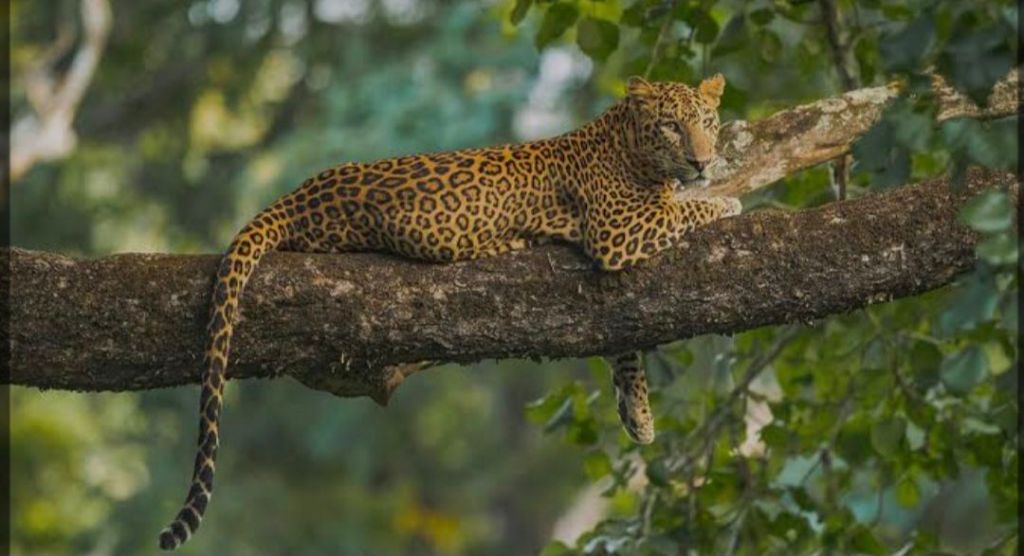
Leopard:Leopards in Kishanpur inhabit the dense forests, grasslands, and mangrove-type wetlands of the sanctuary. These areas provide ample cover, which is essential for the leopard’s secretive and solitary lifestyle.
The sanctuary offers a mix of habitats, from dense woodlands to open grasslands and wetlands, all of which are crucial for the leopard’s hunting and territorial needs. Leopards are highly adaptable and can live in a variety of habitats, from forested areas to more open landscapes.
Elephants: The sanctuary has a population of wild elephants.Wild elephants in Kishanpur are known to be part of larger migratory herds that move across the Dudhwa Tiger Reserve and surrounding areas. Elephant herds typically travel in groups, and they are highly intelligent, using their social structures to protect younger members and coordinate movements across vast landscapes.
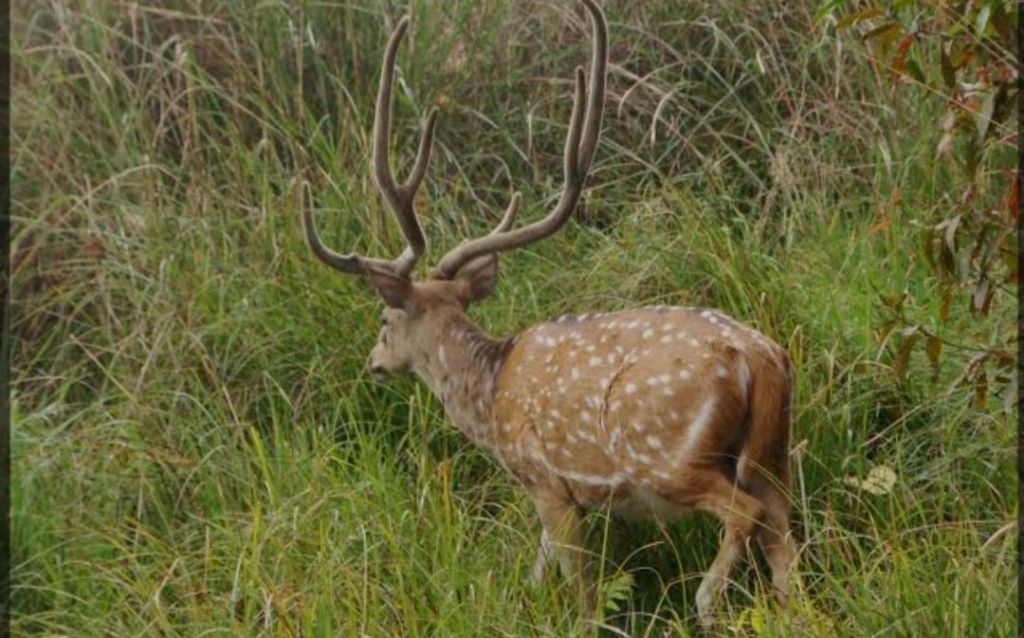
Various species of deer: Including swamp deer, which is an endangered species, and spotted deer. Deer are among the most prominent herbivores in Kishanpur Wildlife Sanctuary, part of the Dudhwa Tiger Reserve in Uttar Pradesh, India. The sanctuary’s diverse habitats, including grasslands, wetlands, and dense forests, provide ideal environments for various species of deer. These species contribute significantly to the biodiversity of the sanctuary and serve as important prey for apex predators like the Royal Bengal tiger and leopard.
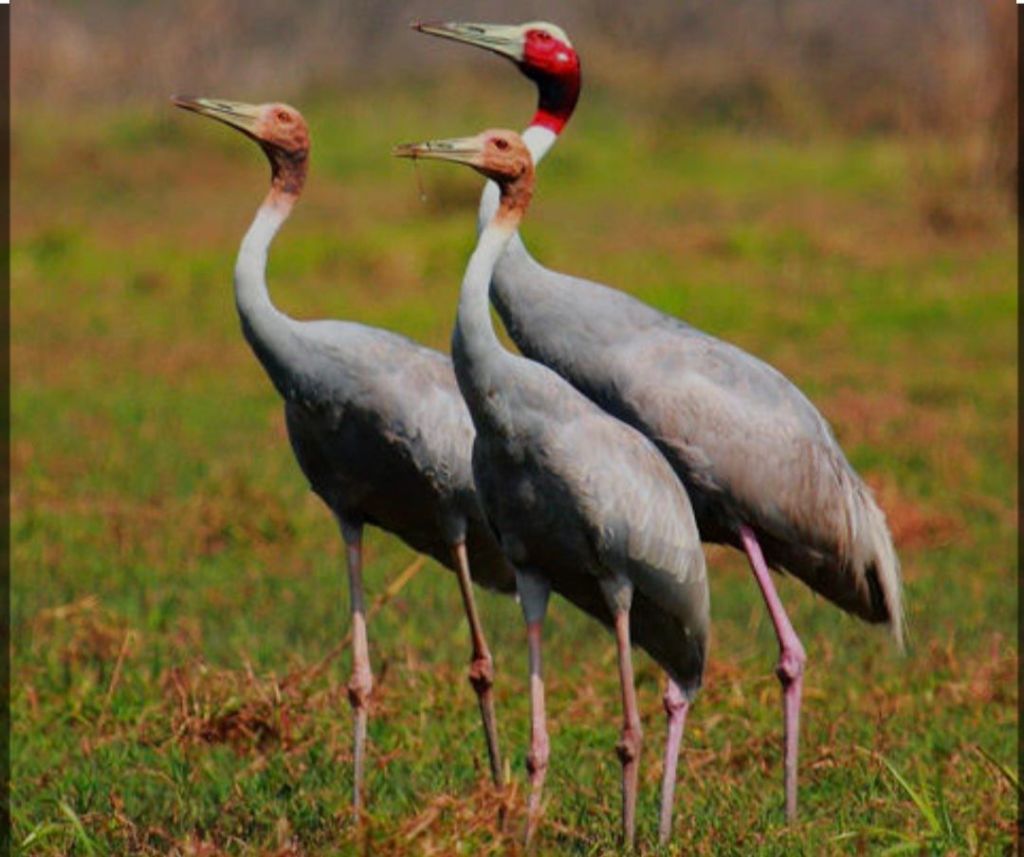
Bird species: The sanctuary is a haven for birdwatchers, with numerous species like the Bengal florican, great hornbill, and various waterfowl.
The sanctuary plays a crucial role in preserving biodiversity and maintaining the ecological balance of the region. The area also acts as an important corridor for tigers and other wildlife.
Visitors can enjoy safaris and bird watching, with the chance to see rare and endangered species in their natural habitat.
Like many wildlife habitats in India, Kishanpur faces challenges related to habitat fragmentation, poaching, and human-wildlife conflict. Expansion of agricultural land and encroachment near the sanctuary’s boundaries are ongoing concerns.
Poaching of endangered species like tigers and leopards, as well as the hunting of deer, remains a threat to the sanctuary’s wildlife.
Human-wildlife conflict, particularly with elephants and Nilgai (blue bulls), is also a challenge, as these animals sometimes venture into agricultural fields, causing damage to crops.
Kishanpur Wildlife Sanctuary is an integral part of the Dudhwa Tiger Reserve and serves as an important conservation area for a wide range of species. Its varied habitats, including forests, wetlands, and grasslands, provide a sanctuary for both herbivores and carnivores. The sanctuary’s role in protecting endangered species like the Royal Bengal tiger, swamp deer, and elephants makes it a key ecological area in the Terai region. Despite facing conservation challenges, efforts to protect this unique ecosystem continue to ensure its vitality for future generations.

 Dudhwa Forest View Resort
Leave a comment